
Books

Authoring books allow me to stay with a question much longer, than work allows.
Each of these began with something I could not explain away: a pattern that kept appearing, a problem that conventional language did not quite capture, or a question that seemed to deserve more patience than a presentation or article could offer.
They are written from practice, but not as instruction manuals. I do not see them as final answers. They are invitations to look more carefully at the systems we build, the choices those systems quietly make, and the human consequences that follow.
Designing the Architecture of Dignity
HR Technology in the Age of AI.
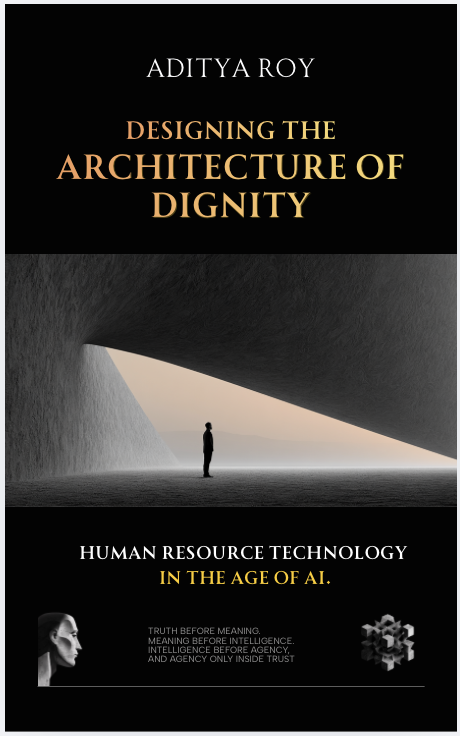
What does an organization owe its people when decisions about work, opportunity, performance, and belonging are increasingly shaped by technology?
This book brings together two decades of experience across functional HR, enterprise transformation, and human systems architecture. It looks beyond platforms and implementation methods to examine the deeper questions beneath them: how truth is established, how meaning is preserved, where AI should assist, where it must refuse, and how dignity can become an architectural requirement rather than an aspiration.
The manuscript is shared openly, chapter by chapter, while perfection is still taking shape. If something feels incomplete, difficult, or worth questioning, that conversation is welcome.
The Entropy of Us
Burnout, Attention, and the Physics of Being Human
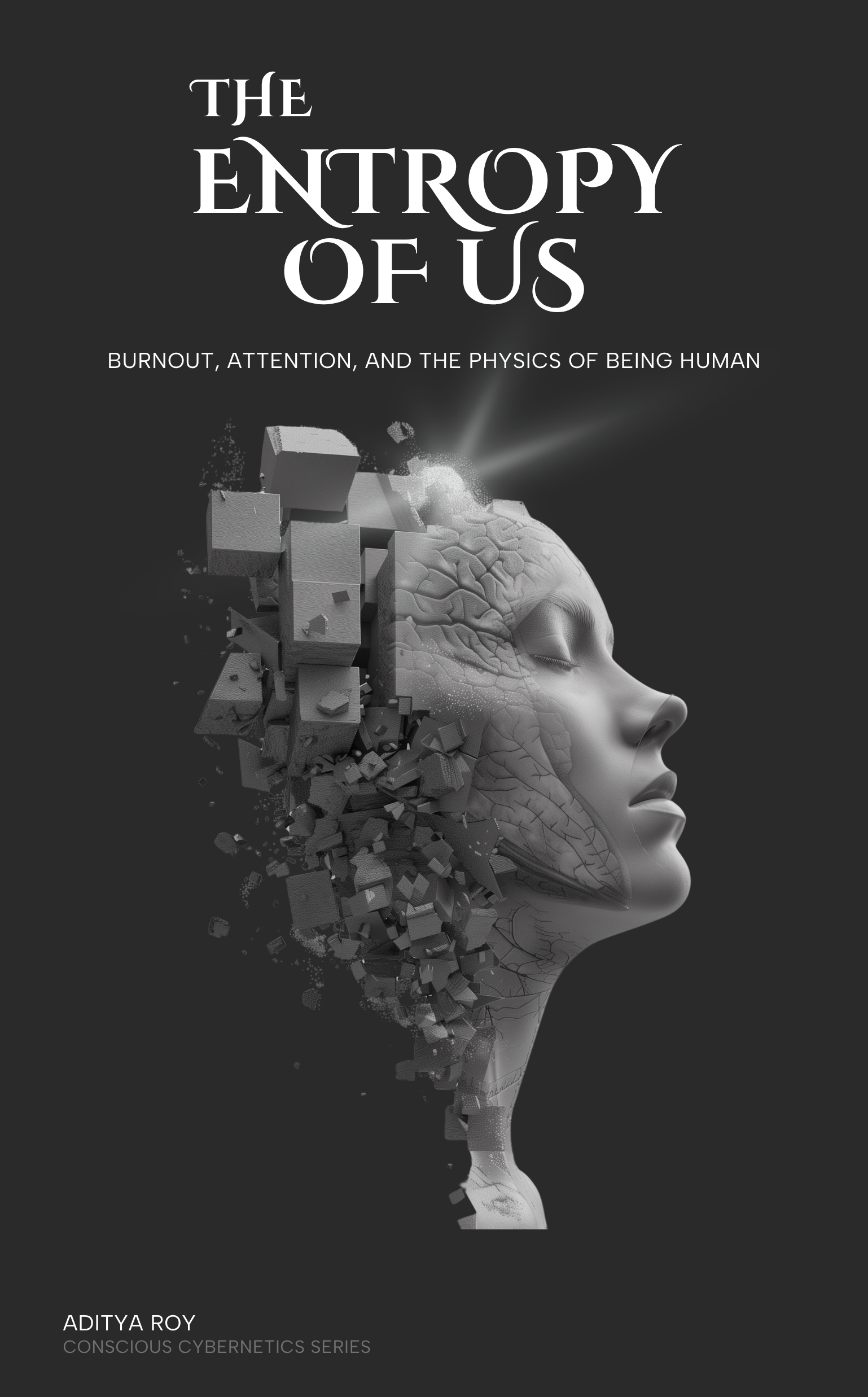
The Entropy of Us explores how attention, energy, meaning, relationships, and repeated choices gradually shape the systems we inhabit and the people we become within them. It is a book about noticing those patterns before they harden into habit, and recovering enough clarity to choose differently.
It does not promise a perfected life. It offers a way to observe what is quietly accumulating, what is asking to be released, and what may still be restored.
Read on Apple Books
Read on Google Play Books
RAG for HR
A Practitioner’s Guide to Retrieval-Augmented Generation in Human Resources
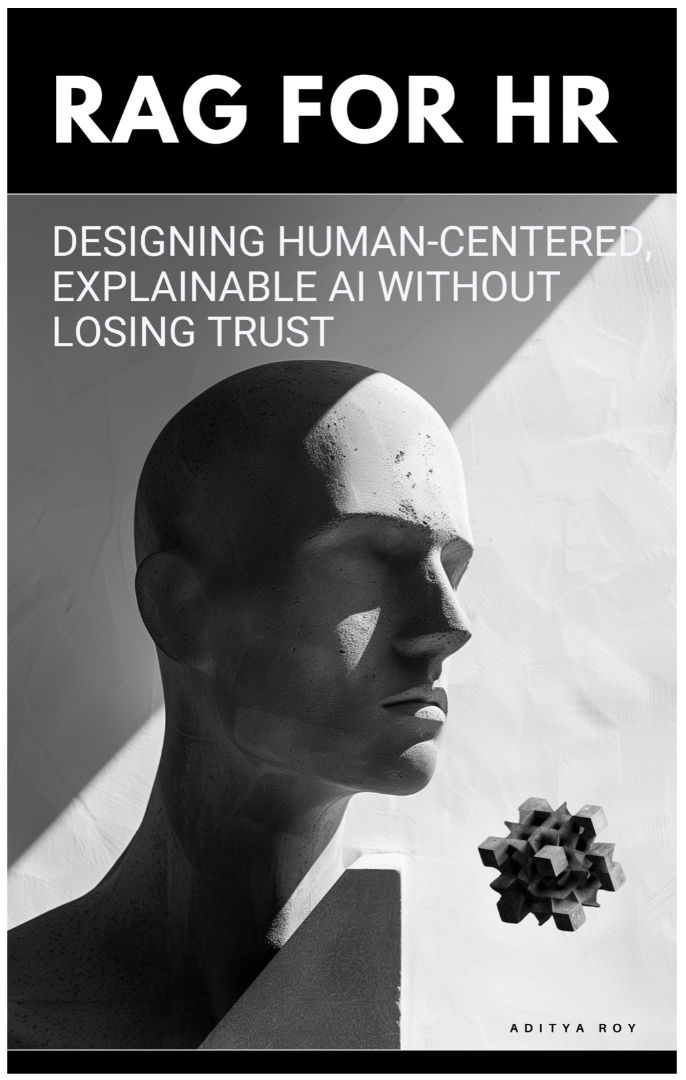
AI in HR becomes consequential very quickly. A system that retrieves the wrong policy, overlooks an important exception, or produces a confident answer without sufficient evidence can affect more than efficiency. It can affect someone’s work, opportunity, privacy, or trust.
RAG for HR was written for practitioners who want to understand how retrieval-augmented generation works inside real HR environments. It brings together the functional, technical, and governance questions involved in designing systems that remain grounded in approved information and honest about what they do not know.
The aim is not to make AI appear simpler than it is. It is to make the important design choices visible enough for HR, technology, and business teams to examine together.
Read on Apple Books
Read on Google Play Books
A note to the reader
These books come from different parts of my work, but they share a concern: systems should help human beings become more capable, more aware, and more fully themselves. They should not make people smaller in order to make the system easier to operate.
If one of these books meets a question you have been carrying, I hope you find something useful in its pages. You are welcome to read slowly, disagree where you need to, and take only what genuinely helps. LinkedIn is the best way to connect.